
Quiet Guidance Practice
Counselling and Coaching in East London, Essex and Online
Welcome to Quiet Guidance
— a space for reflection, understanding and growth.
Counselling and Coaching in East London, Essex and Online
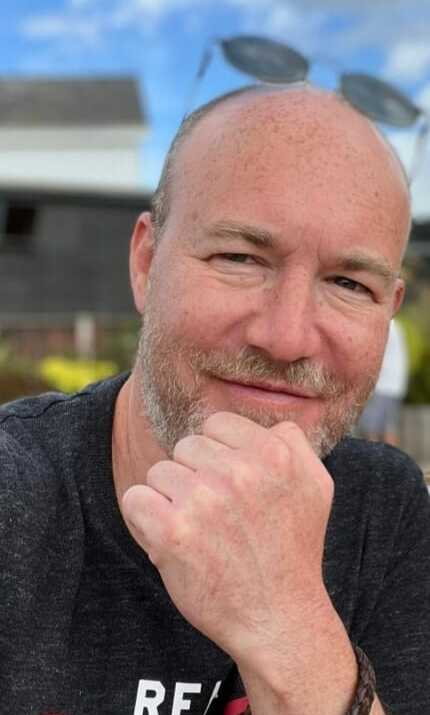
Nick Young, MSc, MBACP
If you’re looking at this page you may be feeling in need of some extra support right now. You may be feeling overwhelmed, stuck, uncertain, or simply ready to make sense of what’s next. Whatever brings you here, taking this step is already a way of beginning to understand what’s going on and prioritise yourself.
I offer counselling and coaching that gently combine emotional insight with practical direction, helping you understand yourself more deeply and move towards meaningful, lasting change. Together, we’ll take time to listen to what’s happening for you, explore what may be getting in the way, and find new ways forward that feel authentic and sustainable.
My approach blends the depth of counselling with the focus of coaching. It’s reflective and empathetic, yet oriented towards growth — helping you restore balance, rebuild confidence, and create positive transformation.



Our work often unfolds across four interconnected stages:
1.
Listening
Creating space for your story and needs.
2.
Rebalancing
Exploring perspective and patterns.
3.
Generating
Uncovering new options and directions.
4.
Supporting
Sustaining progress with confidence and self-compassion.
Wherever you’re starting from, this is a place to slow down, think clearly, and reconnect with yourself.
What my clients say
What I can help with
People come to me for many reasons. Some arrive in crisis; others feel stuck, restless, or simply curious about themselves. There’s no right or wrong reason — if it matters to you, it matters.
I regularly work with people navigating one or more of the following:
Anxiety or persistent low mood
Grief, bereavement or loss
Stress and burnout
Relationship or family difficulties
Self-esteem and confidence struggles
Life transitions and decision-making
Feeling lost, stuck or emotionally overwhelmed
Career or work-related challenges
Frequently asked questions
Coaching focuses on clarity, goals and action — helping you create and sustain positive change. When combined with counselling, it supports both insight and progress, ensuring that understanding leads to practical transformation.
Being integrative means drawing from multiple therapeutic models, tailoring the approach to each person. This might include Person-Centred understanding, Psychodynamic reflection on the past, CBT techniques for shifting thought patterns, and coaching strategies for forward momentum. It’s flexible, holistic, and designed to meet you where you are.
Therapy helps you explore and heal emotional patterns. Coaching focuses on moving forward and achieving goals. Often, the two overlap — and we’ll work together to find the right balance for you.
Each session is unique. We’ll talk about what feels most important to you, explore patterns, and work at a pace that feels safe. Over time, we may use different therapeutic or coaching tools to help you gain insight and confidence in applying change.
Yes — but gently, and only when trust is established. Challenge is part of growth, but it’s always offered with care, curiosity and respect, never judgement.
Everything you share is confidential. The only exceptions are if there is a serious risk of harm or a legal obligation to disclose. I am fully insured and a registered member of the ICO for data protection.
If you’re in immediate danger, please call 999 or 111 (select the mental health option).
You can also contact:
- Samaritans: 116 123
- SANEline: 0300 304 7000
- Papyrus HOPELINEUK: 0800 068 4141
I aim to respond to new enquiries within 12 hours.
I work as an integrative practitioner, which means I draw on a range of therapeutic models depending on what will best support you. These include Person-Centred Therapy, Psychodynamic approaches, Cognitive Behavioural Therapy (CBT), Transactional Analysis, and solution focused elements of coaching.
Blending these approaches allows us to explore both the deeper emotional patterns that shape your life and the practical steps that help you move toward meaningful change. Rather than using a fixed method, I tailor our work to you — your needs, your pace, and your goals — creating a flexible, responsive way of working that supports your growth on multiple levels.
Quiet Guidance Practice

Self-understanding
Sometimes life feels confusing, overwhelming, or uncertain. In our work together, I’ll help you slow down and make sense of what’s happening — to understand your patterns, emotions and needs with greater clarity and compassion. Self-understanding is often the first step toward meaningful change.

Rebalancing
As you gain insight, we’ll explore how different parts of your life fit together — and where things may have fallen out of balance. This stage is about perspective and awareness: finding steadier ground, restoring confidence, and learning to respond rather than react.

Moving forward
When you’re ready, we’ll focus on the practical side of change. Drawing on coaching tools and reflective practice, we’ll identify small, sustainable steps that help you move forward with purpose and self-belief — creating a life that feels more aligned with who you truly are.
More about me
I’ve always been drawn to understanding people — supporting them through life’s challenges and helping them reconnect with their strengths. My career has reflected this: I began as a teacher in the UK and abroad, before moving into leadership and development roles within the charity sector, where my focus remained on people and their growth.
Having lived and worked across five countries and three continents, I bring an open-minded, culturally sensitive perspective to my work. These experiences have deepened my belief in the value of listening, empathy, and human connection as catalysts for change.
My own journey into counselling began through volunteering with the More to Life organisation, supporting adults with their mental health. A chance conversation during lockdown with a trainee psychotherapist reminded me how powerful it can be to be truly heard — not judged or advised, but listened to with full attention. That conversation set me on a new path.
After training at the City Lit in London, I went on to complete an MSc in Integrative Counselling and Coaching at the University of East London — a unique programme that blends the depth of counselling with the forward momentum of coaching. I now work with clients in private practice, guided by the BACP Ethical Framework, offering a reflective and supportive space for personal growth and transformation.
Why “Quiet Guidance”?
The name Quiet Guidance reflects how I work.
Real change often begins not with noise or force, but with stillness — the quiet space to pause, reflect and listen. Within that space, we start to notice patterns, reconnect with what matters, and rediscover our own direction.
Guidance, in this sense, isn’t about being told what to do. It’s about being gently supported to find your own answers, your own balance, and your own way forward.
That combination of calm reflection and purposeful direction is at the heart of my practice — counselling and coaching that help you move towards greater clarity and confidence, quietly but powerfully.
You’ve Already Taken the First Step
Reaching out for support takes courage. Many people live with uncertainty, sadness, or self-doubt far longer than they need to. Talking to friends can help — but sometimes, it’s not quite enough.
Recognising that you might benefit from professional support is not a sign of weakness; it’s the beginning of change. Whether you’re facing a specific challenge or simply want to feel more balanced and in control, starting therapy is the first step towards understanding yourself and moving forward with greater clarity and confidence.
Get in touch
Feel free to contact me if you have any questions about how counselling or coaching works, or to arrange an initial assessment appointment. This enables us to discuss the reasons you are thinking of coming to counselling, whether it could be helpful for you and whether I am the right therapist to help.
You can also call me on 07572111374 if you would prefer to leave a message or speak to me first. I am happy to discuss any queries or questions you may have prior to arranging an initial appointment.
All enquires are usually answered within 24 hours, and all contact is strictly confidential and uses secure phone and email services.
© Quiet Guidance Practice
Powered by WebHealer